
IB Integration

International Mindedness
Coexisting together by accepting and valuing the other person’s perspective for a harmonious global outlook. The larger perspective of education is building situational awareness and active participation in learners which will help them meet the needs of the community. We are essentially building life jackets for our students through well refined thoughts which can help them make well-founded decisions that have a long lasting impact. This approach of IB sets it far above other educational programmes.
Reflection: Unexamined life is not worth living
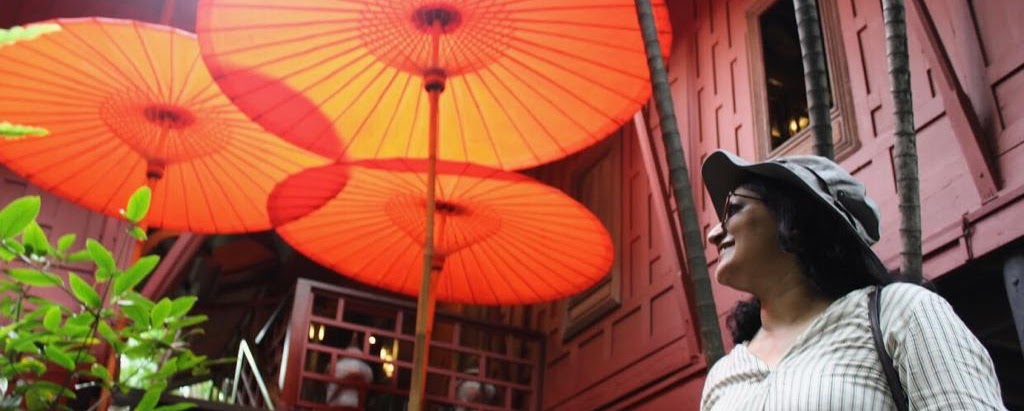
My teaching identity has been shaped through years of intentional reflective practice, where each lesson becomes an opportunity to refine my purpose and deepen my impact. Drawing on Driscoll’s “What? So What? Now What?” model, I have learned to pause, analyse, and transform classroom moments into meaningful pedagogical shifts that centre student agency and well-being. Gibbs’ reflective cycle has further supported me in examining my feelings, evaluating decisions, and planning next steps with clarity and compassion. These reflective frameworks complement the IB philosophy, helping me integrate inquiry, conceptual understanding, international-mindedness, and the approaches to teaching and learning into my everyday practice—even beyond an IB context. Through this lived cycle of reflection, I create learning experiences that honour diverse EQ and IQ levels, nurture responsible digital habits, and promote collaboration, mindfulness, and ethical decision-making. Over time, this ongoing reflective journey has empowered me to teach with intention, facilitate with empathy, and cultivate learners who think critically, act responsibly, and engage confidently with the world and be fearless.
Collaboration
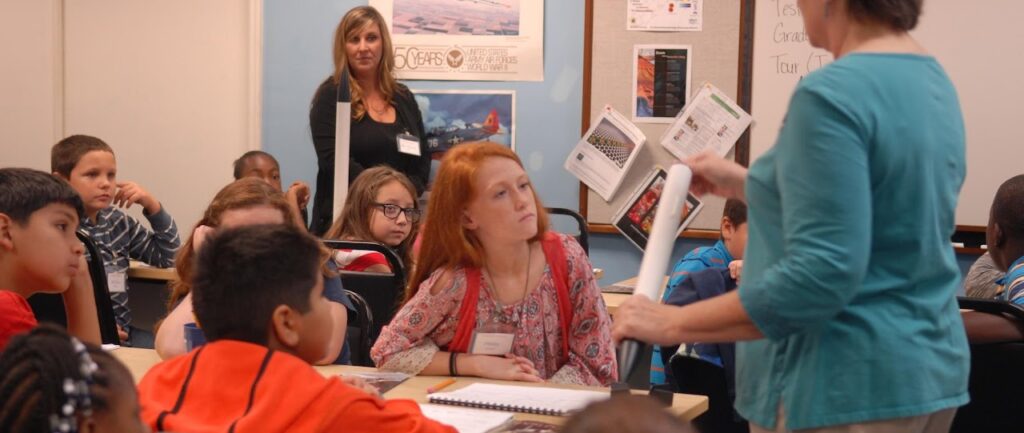
Lai’s belief that knowledge is “co-constructed through interactions” reflects how collaboration has reshaped my identity as an IBDP Biology educator. Collaboration is no longer task division but a deeper process of jointly making meaning, reflecting together, and taking collective responsibility for student learning. Within our PLC, analysing lab work, identifying misconceptions, and designing concept-driven learning experiences have become shared practices grounded in the ATLs and the Learner Profile. Cross-disciplinary partnerships—with Language Acquisition and ESS teachers—strengthen scaffolding, interdisciplinary inquiry, and real-world connections. Co-teaching has shifted me from a “sage on the stage” to a facilitator who models curiosity and collective problem-solving. Extending beyond the classroom, collaboration with parents and community partners enriches learning and widens access to authentic experiences. These sustained partnerships—within school and beyond—continue to anchor my practice and affirm collaboration as central to my work as an IB educator.
Research skills
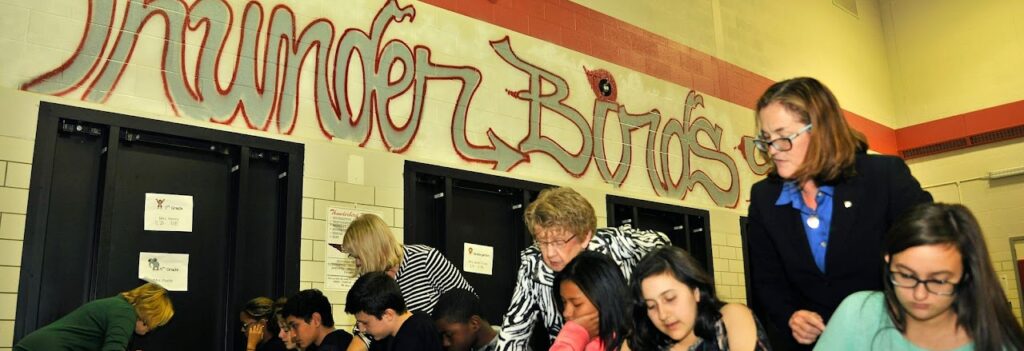
My research skills have grown from the simple act of observing classroom experiences to actively analysing them as dynamic sources of insight. I constantly study my own practice turning everyday moments into meaningful data that helps me understand what brings joy, what needs refinement, and what requires rethinking. By continually asking why, I challenge myself to adjust instruction, repair what is not working, and strengthen what is. My research extends to understanding learners deeply: their thinking, misconceptions, reasoning patterns, creativity, confidence, hesitation, and engagement. These observations help me make informed pedagogical choices that honour student agency and support conceptual understanding. I have come to believe that we must “research what we teach and teach what we research,” taking ownership of our practice and modelling curiosity and disciplined inquiry for our students. This stance anchors my work as an IB educator and ensures that my classroom remains responsive, reflective, and deliberately student-centred.
Mindfulness
Integrating mindfulness into my teaching has transformed how my students engage with themselves, their peers, and their learning. I began embedding simple practices—mindful breathing, grounding pauses, and reflective journaling—to help students recognise and regulate their emotional states. Using Dr. Daniel Siegel’s “hand model of the brain,” I introduced them to the science of emotional regulation, making the process accessible and meaningful. Over time, I observed students becoming more reflective, empathetic, and resilient; they articulated their feelings with clarity, repaired relationships after conflict, and approached academic challenges with calm focus. These shifts demonstrated clear growth in ATL self-management and social skills. Colleagues often share that my classroom feels calm because I bring a calm disposition to my teaching—reminding me that happy teachers truly create happy classrooms. This journey has reaffirmed that when students feel emotionally safe and centred, they learn with greater authenticity, curiosity, and confidence. Mindfulness has therefore become a purposeful part of my practice, nurturing a classroom culture where wellbeing and learning are deeply interconnected.